Pinterest is getting flooded with AI art and people are tired of it
Pinterest is being overrun with AI art and traced content, making real creativity harder to find and leaving the platform feeling less genuine.

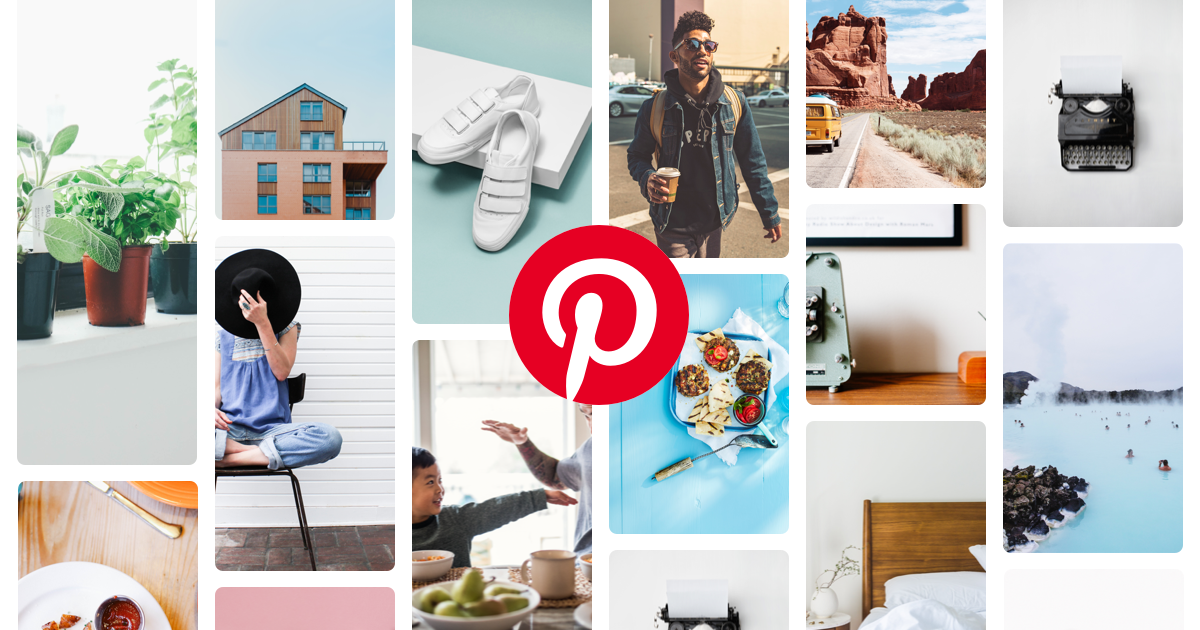
If you’ve opened Pinterest lately, you’ve probably noticed something feels… off. The feed that used to be full of handmade crafts, real outfits, cozy apartments, and artists sharing their work is now packed with AI-generated art, weirdly perfect interiors, and endless pins that don’t feel real at all. A lot of users are saying the platform is starting to lose the “inspiration” feeling that made it special.
Why there’s suddenly so much AI content
AI images are incredibly easy to make, and some people are generating thousands of them just to get clicks or sell something. It’s basically free content at unlimited scale. So your feed gets stuffed with “aesthetic” pictures of rooms that don’t exist, outfits that can’t be bought, and fantasy portraits that were never drawn by a real person.
And on top of that, there are tracers and low-effort repost accounts who take AI art, trace over it, and then try to pass it off as original work. It’s frustrating for artists who spend hours creating something by hand only to be buried under AI spam.
How this mess affects real creators
Real artists on Pinterest are struggling because the algorithm pushes out whatever gets mass-produced the fastest. AI art is cheap and instant human art isn’t. So the people who used the platform to share crafts, photography, fashion boards, or illustrations are finding their reach cut in half or disappearing completely.
It also hurts users who just want real ideas. You save a cute bedroom setup and then realize none of those items exist in real life. Or you click a pin hoping for a tutorial and it leads to a random shop or a bot-generated blog.
Pinterest has tried responding but it’s shaky
Pinterest has started labeling AI images when it can detect them, and it’s testing options to show less AI content. But detection isn’t perfect. Some AI images slip through with no labels, while some real photos get mislabeled. It feels like the platform is still trying to figure it out while users get stuck sorting through all the noise.
The trust issue
Pinterest used to feel like a place where you could plan real moments a wedding board, a room makeover, an art project. Now a lot of people don’t trust what they’re seeing. Is that dress real? Can you buy that lamp? Did a human actually draw that artwork?
When the answer keeps being “no,” it changes the whole vibe of the platform.
What you can do as a user
- Hit “show less” on AI images when the option appears.
- Report spammy pins or pins that link to sketchy sites.
- Support real creators by following them and saving their work it actually helps the algorithm see what you value.
- Check pin descriptions for clues about AI, especially in fashion, decor, and art categories.
What creators can do
It’s not a perfect solution, but things like watermarking, signing your art, or adding behind-the-scenes photos can help people find and trust your work. Some creators also add “handmade” or “traditional art” in the description so it’s easier for fans to filter it from AI.
Final thoughts
People go to Pinterest because they want ideas that feel real and personal. The flood of AI-generated art and traced content has made the platform feel less genuine, less creative, and honestly a bit overwhelming. Until Pinterest improves its detection tools and gives users stronger control over their feeds, the community is left doing the work of sorting real inspiration from machine-made noise.