Stoat.chat, formerly Revolt, and why it still feels like a beta project
Stoat.chat once Revolt is a promising open-source Discord alternative, but it’s still in beta and hasn’t attracted many users due to slow development and missing features.

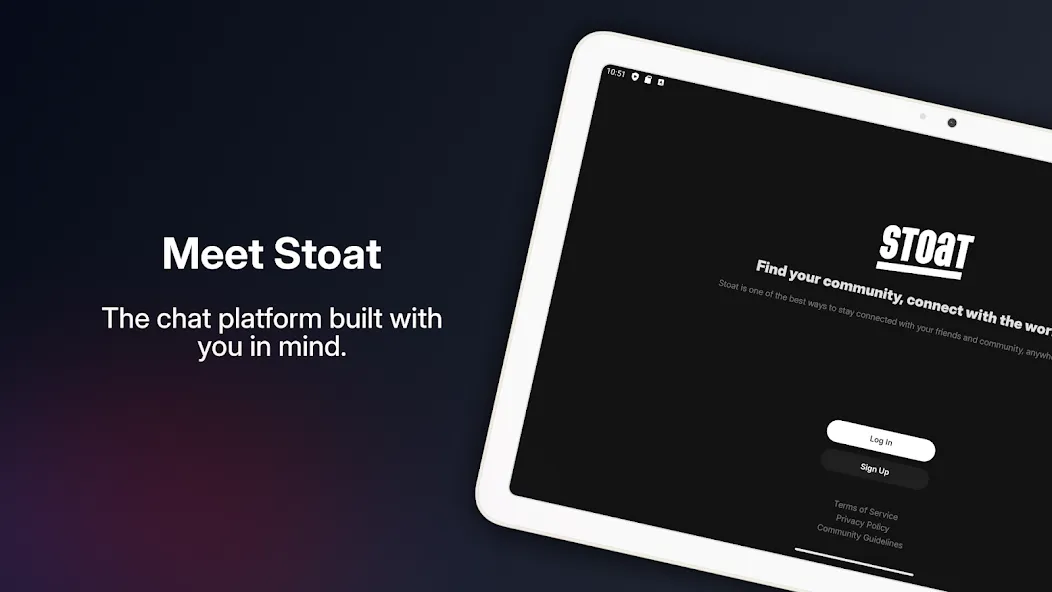
Stoat, which many people still know by its old name Revolt, has always tried to be a friendly open source alternative to Discord. It focuses on privacy, customisation, and community control. It has a small but passionate user base and a very dedicated team. Even with all of that, Stoat is still in beta, still struggling to grow, and still not getting the love people hoped it would. Here is why.
Why it is still in beta
Stoat has not reached the level of polish people expect from a major chat platform. Many features that users consider “basic” still feel unfinished. Voice calls and mobile clients have improved over time but they still are not as stable or complete as what people experience on Discord. The team behind Stoat is small and works at a slower pace because the project is open source and community driven. This naturally makes development take longer. The developers also want to avoid rushing out unstable features because a single crash or bug in a chat platform is instantly noticeable.
Why the platform has not grown
One of the largest reasons is the simple network effect. People stay on Discord because their friends and communities are already there. Moving an entire community to a new platform takes time, energy, and trust. Stoat has not built enough momentum for large groups to migrate all at once. Many users also remember periods where Revolt had missing features or unstable clients, so they assume the platform is still behind even when it has improved.
Another issue is the branding. The switch from Revolt to Stoat confused a lot of people. Some users thought the project shut down or split up. Others were unsure if Stoat was something new or just a renamed version of the old platform. When a platform already struggles to grow, this kind of confusion makes it even harder.
There are also gaps in the wider ecosystem. Communities often rely on bots, integrations, and helpful tools. Discord has an enormous library for all of these. Stoat’s ecosystem is much smaller, so people feel limited when they try to recreate what they had before.
Why people are not loving it
Stoat tries to balance two audiences. One group wants an open source privacy focused platform. The other group wants something as smooth and convenient as Discord. Stoat has a difficult time satisfying both at the same time. Users who care about polish feel that Stoat is not ready. Users who love decentralisation want more advanced control and features. This leaves both groups slightly unsatisfied.
There have also been moments of community tension and unclear communication about decisions or roadmaps. With a smaller project, even small misunderstandings can feel big. That can make new users feel unsure about trusting the platform.
What Stoat does well
It is open source, so people can read the code, contribute to features, and see how everything works. It respects user privacy more than many corporate platforms. The interface is light and fast. People who enjoy customisation appreciate that Stoat does not lock them into a single rigid design. The developers care deeply about the project and continue to improve it.
What could help Stoat grow
Stoat would benefit from strong and stable mobile apps, smoother voice calls, better migration tools, and clearer communication about its goals. If the project also focuses on helping a few communities migrate fully, it could create the kind of momentum that gets people talking again. A handful of active communities can bring new life to a platform.
Final thoughts
Stoat is not failing because the idea is bad. It is struggling because building a chat platform that can compete with a giant like Discord is incredibly difficult, especially with a small open source team. The project has potential and a committed group of supporters, but it still needs more stability, more polish, and more clarity before it can move out of beta and find real mainstream love.