Why Writers Are Leaving Substack: The Drama Behind the Platform Shift
A look into the recent Substack controversy — from moderation issues to lost creative freedom — and why many writers are leaving for alternatives like Ghost and WordPress.

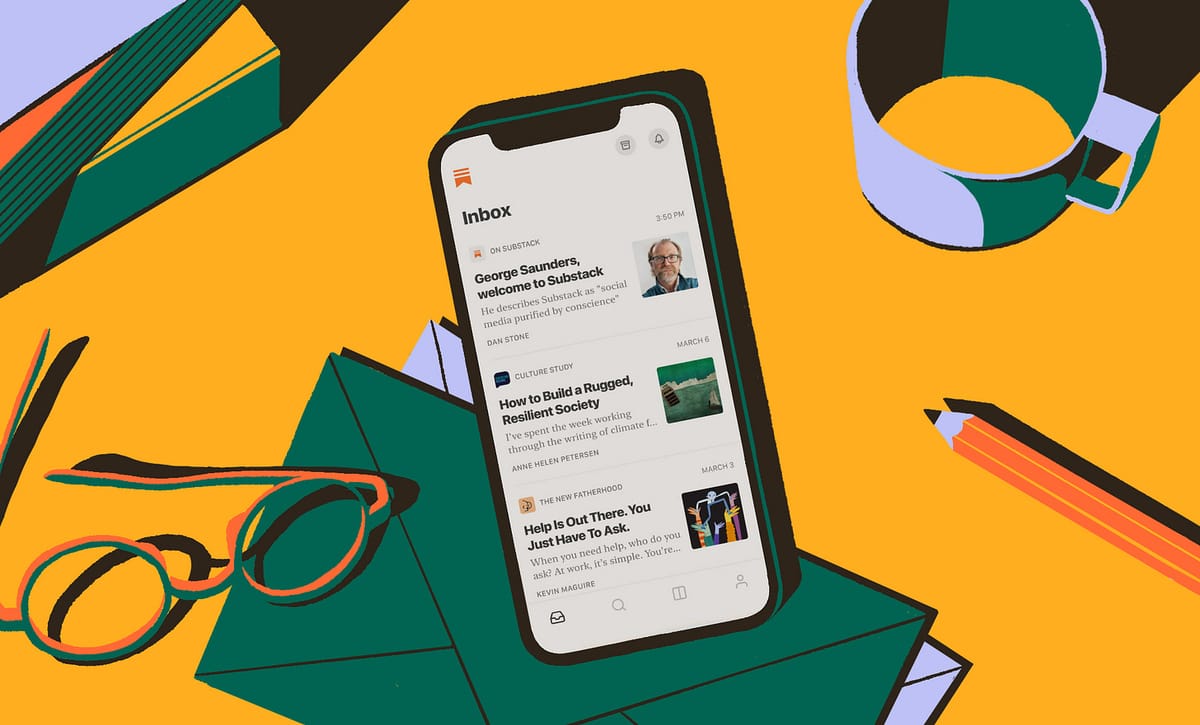
Substack started out as a dream for independent writers. It was supposed to be the place where anyone could write freely, send newsletters directly to readers, and maybe even make a living doing it. No middlemen, no algorithms, just words and subscribers.
For a while, it worked beautifully. Journalists and creators who’d left big media outlets found a new home there. People loved the simplicity: a newsletter, a subscription button, and a way to connect directly with readers. But over the past couple of years, something has changed. The “writer’s paradise” image of Substack has started to crack, and more and more people are packing up and moving elsewhere.
The Turning Point
Substack’s biggest problem isn’t technical, it’s cultural. In late 2023 and early 2024, the platform came under fire for allowing extremist and hateful newsletters to thrive. Writers and readers discovered that white nationalist and Nazi-sympathizing content was not only allowed on the site but could even make money through paid subscriptions.
The company’s leadership argued for “free speech,” saying they didn’t want to act as censors. But many writers felt betrayed. They didn’t want their work sitting on the same platform as hate-filled propaganda — and they didn’t want Substack taking a cut of that money either.
Casey Newton, founder of Platformer, was one of the first big names to leave, moving his newsletter to Ghost, a self-hosted alternative. He said Substack’s refusal to take moderation seriously made it “untenable” to stay. (Source: Platformer)
The Atlantic described it bluntly: “Substack now finds itself in the middle of a crisis.” (Source: The Atlantic)
From Newsletter Haven to Social Media Chaos
Another major complaint is that Substack stopped feeling like a quiet newsletter tool and started acting more like a social network. Features like “Notes,” “Chat,” and algorithmic recommendations brought familiar internet chaos, arguments, spam, and divisive posts, into what used to be a peaceful space for writing.
Writers like Mark DeLong described the shift as “enshittification”. the slow decline that happens when a good platform chases engagement instead of quality. (Source: 3 Quarks Daily)
For many, Substack’s charm was its simplicity: one writer, one inbox, no noise. When it began to feel like another social feed, people started looking for the exit.
Money, Control, and Creative Freedom
Substack also takes 10% of every paid subscription, plus payment processing fees. That might not sound like much, but for independent writers making a living from their audience, it adds up fast. And as the platform added more of its own branding, recommendation algorithms, and social features, many felt like they were losing control of their own work and audience.
Some creators discovered that Substack made it easy to gain free subscribers — but hard to turn them into paying supporters. And when they tried to leave, exporting or migrating subscribers to a new platform could be messy and stressful. (Source: Reddit thread)
Where Writers Are Going Instead
The main destination for defectors? Ghost an open-source alternative that lets writers own their content, audience, and data. It’s not as plug-and-play as Substack, but it’s free of platform politics and lets creators keep all of their revenue.
Others are returning to WordPress, Patreon, or even building their own custom websites. The goal is the same: regain independence, control the relationship with readers, and avoid being tied to one company’s policies or controversies.
What This Means for Substack’s Future
Substack still has a loyal base of writers who appreciate its tools and community. But the trust has been shaken. For a platform built on the promise of creative freedom, the growing sense of corporate control combined with moral and moderation controversies feels like a betrayal to many of its early supporters.
In the end, the Substack drama isn’t just about one company. It’s about a bigger question: how can creators stay independent in an online world that keeps trying to own their audience?
For now, the answer seems to be simple leave the platform, take your readers with you, and build something truly your own.
Sources: